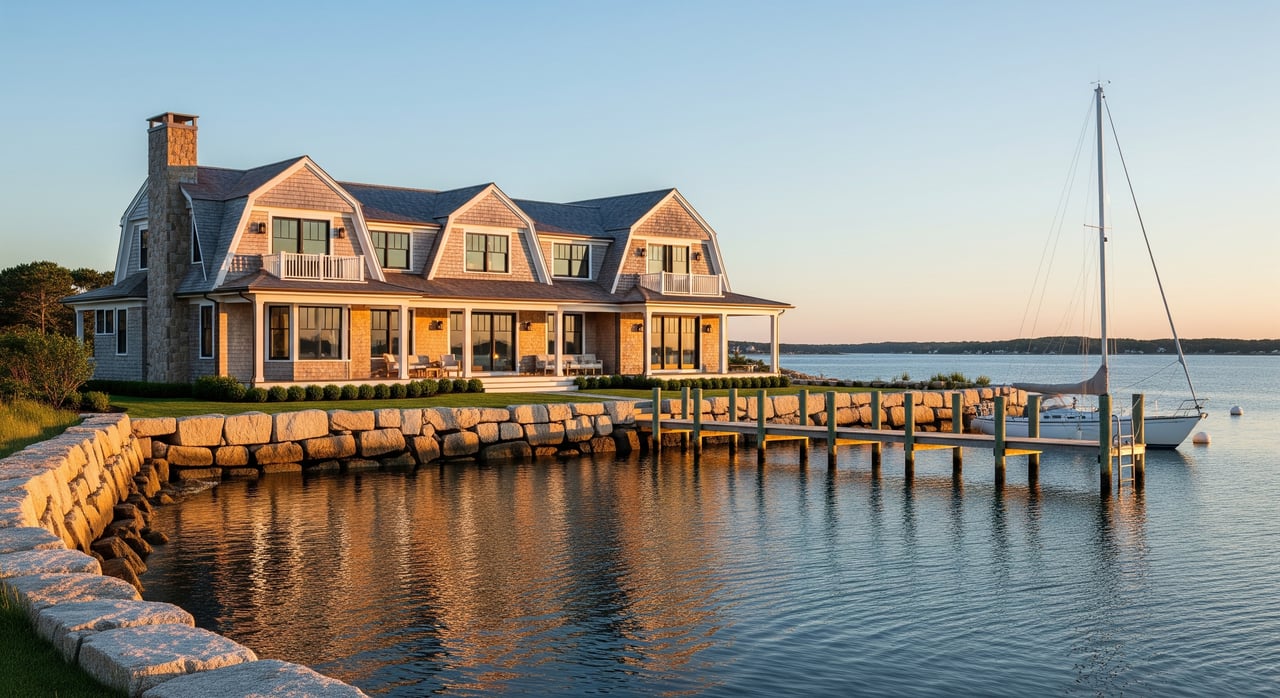
Salt air, sweeping bay views, and a quick launch to open water make Duxbury waterfront living hard to beat. If you’re considering a home along the South Shore, you also know there’s more to it than views. Waterfront comes with unique rules, costs, and due diligence. In this guide, you’ll learn how access really works, what to expect for moorings, how shoreline permits and flood insurance factor in, and the key steps to a smooth purchase. Let’s dive in.
What “waterfront” means in Duxbury
Waterfront can look different from one property to the next. Some homes sit on fee‑simple lots with frontage. Others are part of associations that share beaches, docks, or parking. What you own and how you can use it depends on the deed, local rules, and state jurisdiction.
- Fee‑simple single‑family lots give you ownership to your deeded lines. But in Massachusetts, lands below the mean high‑water line and tidal waters are governed by public trust and state law.
- Condominium or association communities may offer shared beach paths, parking, and mooring infrastructure. Rules for docks, boat size, and cost sharing are set by the association documents.
- Some neighborhoods rely on beach associations or leases. Expect rules, assessments, and possible special assessments for shoreline repairs.
Coastal properties have littoral rights, which relate to ocean and bay frontage. These rights do not guarantee exclusive control of the foreshore or the waterway. Uses waterward of mean high water are often regulated by Massachusetts Chapter 91 and local boards.
Access, privacy, and deed language
Deeded “private beach” and “private way” language matters. Always confirm exact boundaries with the assessor and review your deed carefully.
- Verify whether a path or beach is yours in fee, a recorded easement, or a license. Each carries different rights and maintenance responsibilities.
- Check for public ways, town beach access points, and boat ramps nearby. These can affect privacy, parking, and seasonal traffic.
- Review recorded covenants or easements tied to coastal structures. You may share maintenance obligations for a seawall or revetment with neighbors.
Public trust and Chapter 91 can limit private control of the foreshore. Any work waterward of mean high water generally requires state and local approvals.
Boats, moorings, and marinas
If boating is central to your lifestyle, plan ahead. Moorings and slips are managed resources, and availability is not guaranteed at closing.
- Most coastal towns, including Duxbury, manage mooring fields through the harbormaster. Many maintain multi‑year waitlists and may prioritize residents.
- Private marinas and yacht clubs offer seasonal or annual slips. Waiting lists and transfer rules vary. Slips usually do not convey with a property unless explicitly stated in writing.
- Mooring permits typically require proof of insurance, annual fees, periodic inspections, and compliance with harbormaster rules.
Navigation conditions can change. Dredging history, shallow channels, and shifting shoals affect where and when you can run, especially at low tide. Shellfish areas and temporary closures may limit anchoring or harvesting. Confirm current rules with local authorities.
Buyer tip: Do not assume a mooring is available. Ask whether a property conveys a reserved mooring, a deeded slip, or a transferable lease. If not, confirm the current waitlist and consider alternatives like private haulout, trailer launching, or off‑site storage.
Shoreline structures and permits
Seawalls, revetments, bulkheads, and living shorelines perform different jobs and have different lifespans and costs. Storms can accelerate wear and raise repair needs.
Most shoreline work requires permits:
- Duxbury Conservation Commission: filings under the Massachusetts Wetlands Protection Act and any local bylaws.
- Massachusetts Chapter 91: required for structures or fill waterward of mean high water.
- U.S. Army Corps of Engineers: may apply to work in navigable waters or dredging.
- Local building, zoning, and historic approvals when applicable.
Hard stabilization like seawalls can protect a structure but may increase erosion next door and reduce beach access. Soft or “living shoreline” approaches, such as dune or marsh restoration, are often encouraged as less damaging to the coast. Large projects may be organized by the town or across towns. Private owners are typically responsible for structures on their parcels unless an association shares costs.
Funding and assessments can follow repairs or upgrades. Town or state grants sometimes support public resiliency work, but municipal projects can also lead to betterments or special assessments for nearby beneficiaries. Ask early about any planned projects.
Sea level rise and storm surge matter. Review FEMA flood maps and local projections to understand long‑term risk, future insurance needs, and whether elevation or relocation strategies could be part of your long‑term plan.
Insurance, inspections, septic, and financing
Coastal risk affects insurance and lending. Understand the flood zone and expected coverage before you make an offer.
- Flood zones: V zones indicate high‑velocity wave action. AE zones are within the 100‑year floodplain with base flood elevations. X zones indicate reduced or minimal risk. Lenders require flood insurance if the property lies within a Special Flood Hazard Area.
- Insurance basics: Standard homeowners policies exclude flood. Wind or hurricane coverage may have separate deductibles in coastal policies. The National Flood Insurance Program commonly provides up to $250,000 for a single‑family structure and $100,000 for contents. Private flood options may offer higher limits.
- High‑value homes: Expect the need for excess flood coverage, separate wind or hurricane endorsements, and possibly an umbrella policy. Insurers may require mitigation steps like shutters or roof upgrades.
Order the right inspections:
- Standard home inspection for structure, roof, HVAC, electrical, and plumbing.
- Coastal engineering assessment for seawalls, revetments, and erosion risk.
- Structural engineer review for foundations, especially elevated systems or pilings.
- Marine facility inspection for docks or bulkheads.
- Elevation certificate from a licensed surveyor to set premiums and satisfy lender requirements.
Understand septic and utilities:
- In Massachusetts, properties with on‑site septic must meet Title 5 regulations. A Title 5 inspection is typically required at sale.
- Coastal lots often have high groundwater, which can lead to advanced systems or variances. Replacement can be costly, so review the Board of Health file and any soil testing.
Financing notes:
- Lenders factor flood risk into underwriting and may require flood insurance and an elevation certificate.
- High‑risk properties can affect loan terms. Get insurance quotes early to avoid surprises during underwriting.
Seasonal living and real costs
Duxbury shines in the summer. The season also brings more traffic, boat activity, and seasonal parking rules. If you plan to live year‑round, consider winter access and storm preparedness.
- Summer: expect peak demand for services and busier roads near beaches and ramps.
- Winter: plan for snow removal, possible power outages, and freeze protection for waterlines and docks. Seasonal structures may need removal or securing.
- Rentals: Waterfront homes often draw short‑term rental interest, but HOA rules and local regulations may restrict rentals, parking, and occupancy.
Budget for ongoing costs:
- Higher property taxes tied to waterfront premiums.
- Flood, wind, and umbrella insurance premiums, plus potential higher deductibles.
- Maintenance for docks, moorings, and any seawall or shoreline system.
- Septic pumping, inspections, and potential upgrades.
- Mooring or marina fees, seasonal haulout, storage, and boat insurance.
Your Duxbury buyer checklist
Use this simple sequence to protect your interests and timeline.
Obtain a full title report and review the deed and plan for access rights, easements, and covenants.
Ask the seller for permit records for any dock, seawall, fill, or shoreline work, including Conservation Commission filings, MassDEP Chapter 91 approvals, and any Army Corps involvement.
Contact the Duxbury Harbormaster about mooring rules, current waitlist status, and any planned dredging.
Order an elevation certificate and review FEMA flood maps. Get preliminary flood insurance quotes from both NFIP and private carriers.
Schedule inspections: standard home inspection, plus a coastal engineer for erosion and shoreline structures, a structural engineer as needed, and a marine surveyor for docks or bulkheads.
Confirm Title 5 inspection results with the Board of Health. Obtain written estimates for any required repairs or upgrades.
Review HOA or association documents for maintenance and assessment obligations, especially for shoreline structures and rental rules.
Verify municipal services, emergency access, and winter road maintenance for the specific street.
Consult a real estate attorney on public trust, Chapter 91 implications, and any tricky deed language.
Request historical photos and local records of storm impacts. Ask about town resiliency projects that could affect your property.
Choosing the right Duxbury property
Buying on the water is both a lifestyle choice and a technical project. The best fit balances access, risk, and long‑term costs with how you want to live and boat. A property that checks your boxes on deeded access, flood zone, mooring plan, and septic can deliver the view without unwanted surprises.
If you want a thoughtful, step‑by‑step search across Duxbury and the South Shore, reach out to a local advisor who knows the departments, bylaws, and shoreline nuances. For a conversation tailored to your wish list and budget, connect with Leon Lopes for guidance grounded in decades of South Shore experience.
FAQs
How does Massachusetts Chapter 91 affect Duxbury waterfront owners?
- Chapter 91 regulates use and structures waterward of the mean high‑water line. Most docks, piers, or fill in tidelands require state approval in addition to local permits.
Does a Duxbury home purchase include a mooring or slip?
- Not by default. Moorings are managed by the harbormaster with possible waitlists, and slips at private marinas or clubs have separate rules. Only rely on a mooring or slip if it is explicitly documented as transferable.
What flood zone issues affect insurance and financing in Duxbury waterfront areas?
- Properties in V or AE zones are within Special Flood Hazard Areas. Lenders require flood insurance, and an elevation certificate helps set premiums and loan terms.
What permits do I need to repair a seawall or revetment in Duxbury?
- Expect filings with the Duxbury Conservation Commission under the Wetlands Protection Act, possible Chapter 91 authorization, and in some cases Army Corps review, plus local building and zoning approvals.
What is a Title 5 inspection and why does it matter for coastal homes?
- Title 5 is Massachusetts’ septic standard. A passing inspection is typically required at sale, and high groundwater near the coast can make repairs or upgrades more complex and costly.
How do seasonal factors affect daily life on the Duxbury waterfront?
- Summer brings more traffic, parking limits, and boating activity; winter requires storm readiness and freeze protection. Plan for seasonal maintenance and access.